Key Takeaways
As a rental property owner, staying on top of property maintenance is incredibly important.
Without proper maintenance strategies in place, your investment could end up suffering both physically and financially.
The best way to ensure success for your rental is to partner with a property management team.
In the Greater Charleston metro area, rental ownership is shaped as much by environmental exposure as by tenant demand. Population growth, port activity, tourism employment, and coastal affordability continue to draw investors, but Charleston’s appeal comes with operational complexity.
Environmental Risk Shapes Operational Reality
Charleston rentals operate under conditions that magnify small oversights. Moisture intrusion, wood rot, HVAC strain, pest pressure, and corrosion are ongoing realities, not rare events.
Risk profiles vary widely across the metro. Properties near marshland or tidal areas face different vulnerabilities than inland subdivisions, while historic homes downtown demand a different approach than newer builds in Summerville or Goose Creek. Ignoring these differences invites costly surprises.
Maintenance as a Tool for Income Stability
Maintenance is often viewed as reactive, fixing what breaks, but its financial impact runs deeper. Maintenance decisions influence vacancy length, renewal rates, insurance outcomes, capital timing, and resale value.
In Charleston, where rent growth varies by submarket, consistent income often matters more than peak rent. Properties that function reliably and renew smoothly frequently outperform higher-priced units with recurring turnover. Long-term renters in coastal, humid conditions tend to accept modest increases but have little tolerance for unresolved maintenance issues.
Preventive Maintenance Is Cheaper Than Recovery
Preventive maintenance reduces volatility, not just wear. In the Charleston area, this means paying attention to systems that fail quietly when neglected:
HVAC systems strained by constant humidity
Roofing and flashing exposed to heavy rainfall
Crawl spaces prone to moisture buildup
Exterior paint and siding affected by salt air
Gutters and drainage systems critical during storms
Routine inspections and scheduled servicing turn emergency repairs into predictable expenses, lowering long-term costs and limiting tenant disruption. Reactive repairs, by contrast, tend to surface at the worst times, like after storms, during peak leasing season, or when vendors are scarce.
Inspections as Forecasting, Not Policing
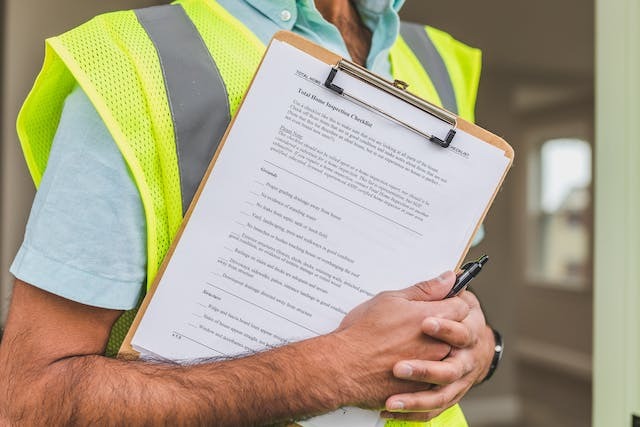
Inspections are often mistaken for tenant oversight, but their real value is prediction. Regular walkthroughs reveal early moisture intrusion, wear that signals future failures, usage patterns that strain systems, and exterior risks ahead of storm season
In Charleston, pre- and post-storm inspections are especially critical, allowing issues to be addressed early while insurance options remain available. A consistent inspection schedule shifts maintenance from reaction to anticipation.
Repairs
Tenants judge landlords not only on whether repairs are made, but on how well they hold up. Quick fixes that fail repeatedly undermine trust and drive up long-term costs, while durable repairs reduce callbacks and preserve confidence.
In Charleston’s climate, shortcuts often backfire, such as temporary sealing instead of proper moisture remediation, cosmetic patching that ignores underlying wood rot, and replacing components without correcting drainage issues.
Professional operators focus on root causes, even when upfront costs are higher. Over time, this discipline reduces repeat expenses and operational friction.
Strategic Improvements Reduce Future Exposure
Not all upgrades deliver equal returns. In Charleston, improvements that reduce environmental exposure often outperform purely cosmetic renovations.
High-impact examples include:
Vapor barriers and crawl-space dehumidification
Impact-resistant roofing materials
Corrosion-resistant fixtures and hardware
Improved insulation and ventilation
Durable exterior finishes suited to coastal conditions
These upgrades may not photograph as well as design-focused renovations, but they quietly protect income, reduce maintenance calls, and lower long-term risk. Savvy investors evaluate improvements based on risk reduction, not surface appeal.
Exterior Condition Signals Asset Quality
In competitive submarkets like Mount Pleasant or downtown Charleston, exterior maintenance goes beyond curb appeal.
Along the coast, neglect accelerates damage. Overgrown landscaping traps moisture, blocked drainage stresses foundations, and failing paint exposes wood to rot. Consistent exterior care signals professionalism and active stewardship, reducing exposure to preventable losses.

Pest Control Is a System
Charleston’s warm, humid climate allows pest issues to escalate quickly when ignored. Effective control is ongoing, not episodic.
Preventive measures typically include:
Sealing common entry points
Managing vegetation near structures
Keeping waste areas clean
Scheduling routine inspections
When infestations occur, prompt professional treatment protects habitability and tenant trust. Delays often lead to disputes, complaints, and reputational damage that far exceed the cost of early intervention.
Tenant Behavior Influences Property Longevity
Maintenance is a shared responsibility. While landlords control systems and structure, tenants influence daily conditions.
Clear lease language helps align expectations around:
Cleanliness and waste disposal
Moisture control and ventilation
Prompt reporting of leaks or damage
Appropriate use of systems and appliances
In Charleston’s older housing stock, early reporting is critical. Small leaks quickly become mold issues in humid environments. Tenants who understand their role help protect the asset.
Why Many Charleston Owners Choose Professional Management
As portfolios grow, informal maintenance management becomes unsustainable. Coordinating vendors, tracking repairs, documenting compliance, and responding to emergencies require systems.
Many Charleston-area investors partner with property management teams to centralize these functions. Professional managers bring:
Established vendor networks
Standardized response protocols
Consistent documentation
Regulatory awareness
Objective decision-making
This structure reduces emotional decision-making and ensures maintenance supports investment goals rather than disrupting them.

Compliance Is a Baseline
South Carolina law requires landlords to maintain habitable properties. Meeting legal standards is mandatory, but operating at the minimum is risky.
In a region exposed to storms and environmental stress, compliance alone does not ensure performance. Professional landlords aim higher, because it reduces long-term risk.
Maintenance as a Competitive Advantage in a Coastal Market
In the Greater Charleston metro area, renters compare experiences, not just prices. Properties that function reliably stand out.
Maintenance discipline creates a quiet but powerful advantage. It stabilizes income, supports renewals, and protects asset value against environmental stress. Over time, this approach turns rentals from fragile income streams into durable, resilient investments.
Ready to Protect Your Charleston Rental With Confidence?
If you own rental property in the Greater Charleston area and want maintenance managed with consistency and long-term value in mind, partnering with an experienced property management team can make a meaningful difference. At Tide Property Management, we support Charleston-area owners with proactive inspections and responsive repairs that protects both income and assets. Contact us today!