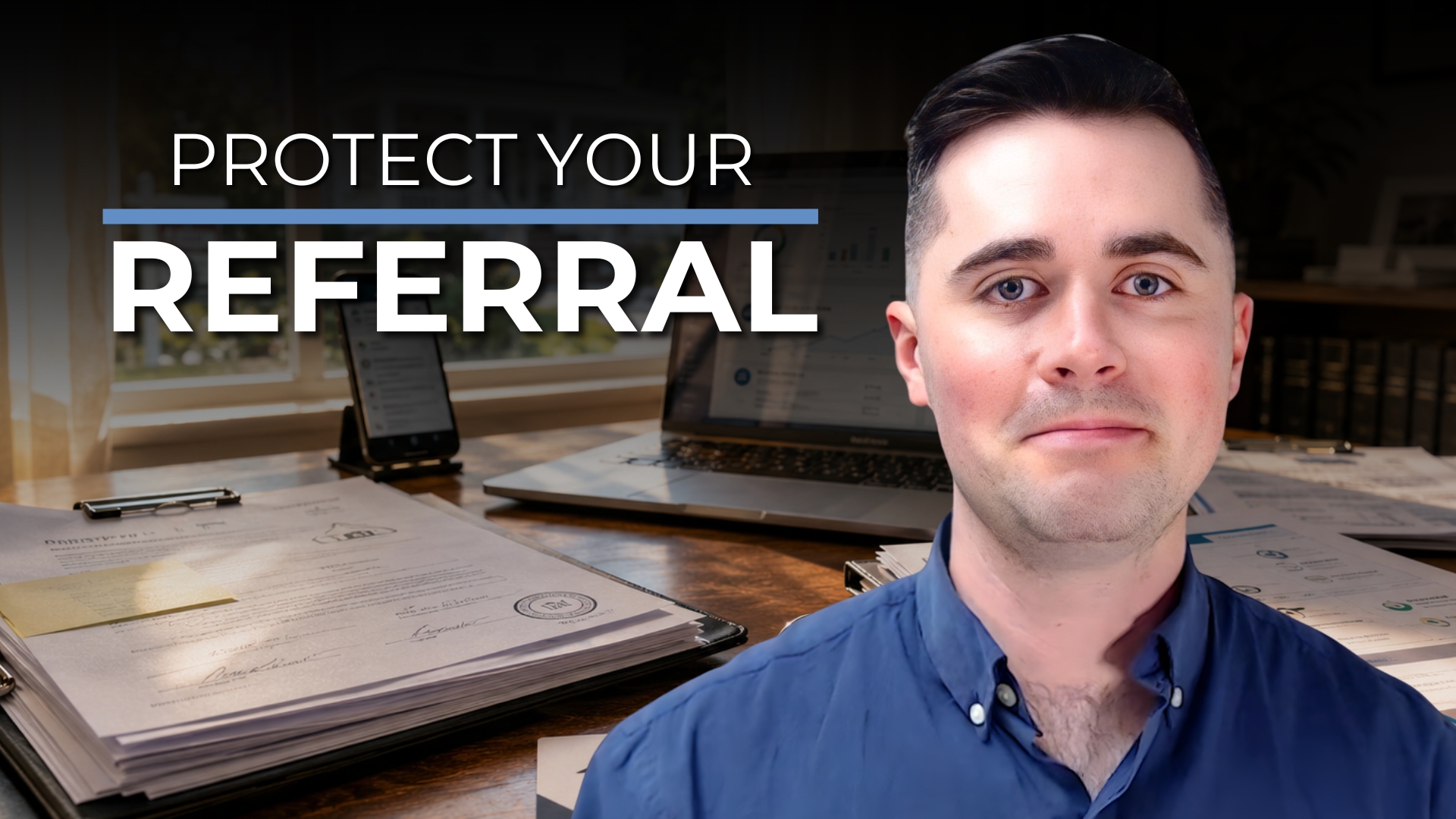
The transaction ends, but your client's exposure doesn't. Here's where the real risk lives and how property management fills the gap.
As a real estate agent, you're often involved in more than just the transaction itself. You help investor clients think through purchase strategy, financing, and even conversations around LLC setup. It's a natural part of building the relationship and adding value beyond the closing table.
But once the deal closes, many investors still need ongoing operational support, and that transition is where gaps tend to appear. The transaction ends, but the responsibility doesn't.
Setting up an LLC is absolutely the right move. It's how investors structure ownership, reduce personal exposure, and build a framework for long-term growth. It's a smart, common first step and part of a healthy investment strategy.
But an LLC is the foundation of protection. It's not the full picture. The day-to-day management of a rental property is where liability, compliance issues, and reputation risk actually develop.
Where the real risk lives. Most of the liability exposure we deal with as property managers doesn't come from how a property is owned. It comes from how it's managed.
After closing, your client has a tenant to screen, a lease to enforce, maintenance requests to handle, vendors to coordinate with, and fair housing laws to comply with at every step. In South Carolina, landlords are required to address non-emergency repairs within 14 days of written notice under the Residential Landlord and Tenant Act. Fair housing compliance applies to everything from how a vacancy is marketed to how applicants are screened to how an eviction is handled. Even poor communication with a tenant can escalate into a dispute that an LLC alone won't resolve.
These aren't structural risks. These are execution risks. And they're the ones that actually show up in practice.
“The LLC protects the structure. It doesn't protect the operation.”
The operational layer. If the LLC is the foundation that protects ownership, property management is the system that protects everything that happens after that. A property manager handles tenant screening with consistent, documented criteria. They enforce leases with proper notice timelines. They manage vendors and maintenance so nothing sits too long or falls through the cracks. And they stay current on local ordinances and fair housing requirements, so your client doesn't have to become a compliance expert on top of being an investor.
We work with investors across Charleston who came to us after trying to self-manage, and the pattern is almost always the same. The LLC was in place, the intentions were good, but the daily operations created gaps they didn't see coming.
Why this matters for you. When you refer an investor client and that client has a negative ownership experience, it can reflect on the relationship, even if you had nothing to do with the management side. The transaction ends, but your client's perception of the experience doesn't.
Having a trusted property management partner to refer to after closing gives your investor clients professional support without you taking on that responsibility. It reduces the risk of a bad experience affecting your referral relationship and gives you a clear answer when your client asks, "So what do I do now?"
You stay focused on sales while still adding real value to your investor clients after closing.
The connection makes sense when your client asks what to do after purchase, when self-management starts to feel overwhelming, when the LLC is set up but the operational side is unclear, or when you simply want to stay involved without being operationally responsible.
If you have investor clients in Charleston who need help with management after closing, we'd love to be that partner for you and your clients. Give us a call at 843-212-4065, email us at info@tidepm.com, or visit charlestonspropertymanagement.com.