
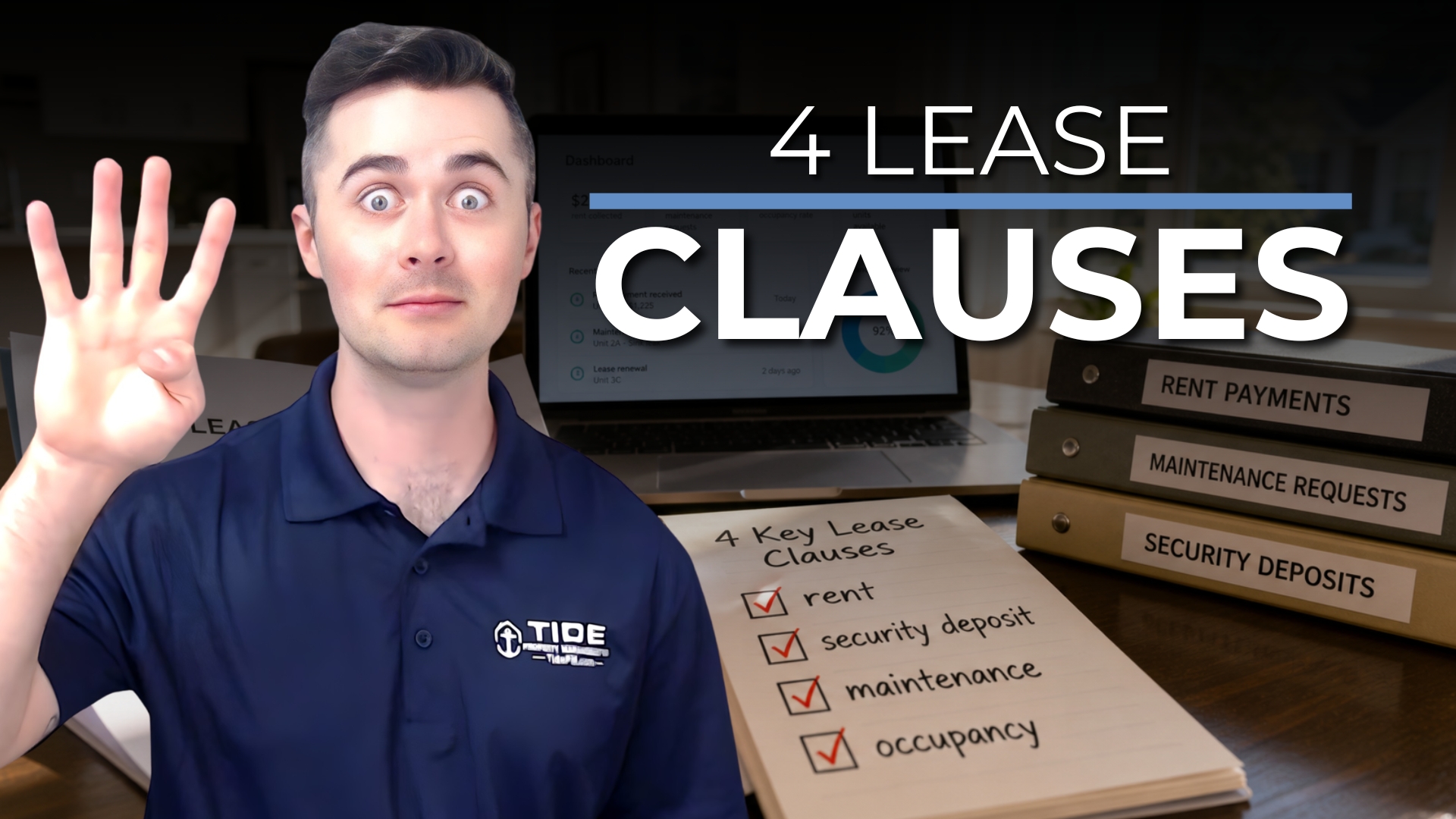
A few missing or unclear clauses in your lease can lead to disputes, lost rent, and legal headaches. Here are four that every landlord should get right.
If you're a landlord, your lease agreement is the foundation of your entire rental operation. It sets the rules, protects your property, and defines the relationship between you and your tenants. But a lot of landlords are working with leases that are missing key language or using clauses that are too vague to hold up when something goes wrong. Here are four essential clauses every landlord should include and get right.
1. Rent collection, late fees, and return payment charges. This clause should define how rent is paid, when it's considered late, and what happens if a payment fails. It needs to clearly outline the rent amount, the due date, accepted payment methods, and when payment is officially received, along with rules for partial payments. It also needs to explain how late fees are applied, since these are often regulated by state law. When this clause is written clearly, it reduces confusion, prevents disputes, and keeps the rent collection process consistent and compliant.
2. Security deposits, inspections, and deductions. The security deposit clause should explain how much is being collected, what deductions are allowed, and how the return process works. It should clearly state that deductions may apply for unpaid rent, damage beyond normal wear and tear, and other lawful charges. That alone can prevent a lot of move-out disputes. We recommend checking local laws and rental regulations as they can vary significantly by state.
“Repair disputes often become legal disputes when the lease doesn't clearly define the process.”
3. Maintenance responsibilities and habitability reporting. This clause should explain who handles repairs, how maintenance issues are reported, and what the tenant must do if there's a problem. Tenants should be required to report issues quickly, especially anything involving leaks, electrical problems, or safety concerns. Landlords should clearly state how requests should be submitted, whether that's through email, a portal, or an emergency phone number. The lease should also separate tenant-caused damage from landlord repair responsibilities. At the same time, tenants should be required to cooperate with repairs by allowing access, securing pets, and helping prevent further damage. This clause matters because repair disputes often become legal disputes when the lease doesn't clearly define the process.
4. Occupancy rules, guests, and subletting controls. This clause should clearly define who is allowed to live in the property, how long guests may stay, and whether subletting is allowed. Every adult occupant should be screened and listed by name in the lease or added later with written approval. That protects the landlord from unauthorized residents and keeps the application process consistent. If subletting is allowed, the lease should explain the approval process and make it clear that unauthorized subletting or extra occupants are a lease violation. This helps landlords protect the property without creating vague or unenforceable rules.
If you're a landlord and you haven't reviewed your lease recently, it may be worth taking a closer look. Sometimes a few small updates can prevent major problems down the road. If you'd like help reviewing your lease, improving your tenant screening process, or building better systems for managing your rental property, we'd love to hear from you. Call us at 843-212-4065, email us at info@tidepm.com, or visit tidepm.com.